


At the current Maha Kumbh gathering in Prayagraj, Uttar Pradesh, unconcerned masses have been excited to take a holy dip, but a report submitted by the Central Pollution Control Board (CPCB) has raised grave worries.
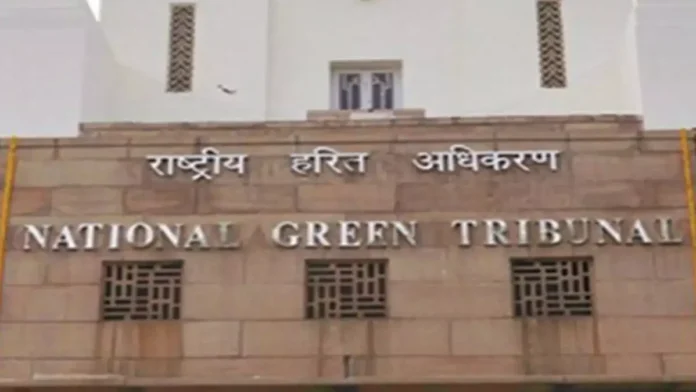
The Uttar Pradesh Pollution Control Board (UPPCB) received harsh criticism from the National Green Tribunal’s (NGT) principal bench on February 16, 2025. “You have made 500 million people bathe in polluted sewage water, water that was not fit for bathing, and people had to drink that water,” the bench said.
The UPPCB was also criticized by the bench, which was led by Justice Prakash Srivastava, for not submitting a thorough report. “It seems you are under some kind of pressure,” the bench noted.
The NGT bench also asked why, prior to the start of the fair, no meaningful steps had been done to remediate river pollution. Sewage was going straight into the rivers, as could be seen. “Two weeks have passed and no concrete steps have been taken by UPPCB. This is very serious,” referring to a report filed by the CPCB on February 3, 2025, the NGT said.
Inspections on January 12 and later on January 23, 2025, revealed sub-standard water quality at a number of monitoring stations, according to the CPCB’s report. Readings from important locations, including the Shringverpur Ghat, Lord Curzon Bridge, Shastri Bridge, Nagvasuki Temple Pontoon Bridge, Sangam, Deha Ghat, and the Ganges and Yamuna confluence close to the Old Naini Bridge, were included in the data.
According to the report, biochemical oxygen demand (BOD) values were found to be greater than the standard of three milligrams (mg) per litre at several locations, including Lord Curzon Bridge on January 19, particularly on the auspicious bathing days. Because microorganisms need more oxygen to break down organic waste in water, a high BOD indicates a high amount of pollution.
A serious problem with the abnormally high concentrations of fecal coliform bacteria—which are mostly seen in human and animal feces—was also brought to light in the report. These bacteria are a sign that the water is sewage-contaminated, which increases the risk of waterborne illnesses like cholera, diarrhea, and typhoid. Notwithstanding these concerning results, the CPCB’s study said that, in accordance with primary water quality criteria, the river water at a number of areas was unfit for bathing. The high prevalence of fecal coliform was mentioned in the report, especially when there were many of people bathing at the Maha Kumbh.
According to a source, around 53 million liters of untreated sewage per day (MLD) were still being dumped straight into the Ganges despite the sewage treatment plant’s (STP) current capacity being operational. Furthermore, the CPCB’s attorney told the court on the February 16, 2025, NGT hearing that all STPs were receiving sewage well in excess of their capacity, which prevented effective treatment and resulted in untreated sewage streaming straight into the Ganges.
Untreated wastewater from drains was seen to be pouring straight into the Ganges at multiple spots during DTE’s study. Even while some drains were being tapped and treated, the procedure was either inefficient or only partially completed. The purified water from STP outputs was dumped into the river in communities close to the Ganges, where the residents used it for agriculture and religious purposes. This was verified by the examination conducted at the Kodra STP outlet close to Neewav village.
Furthermore, the Pong Ghat STP, one of Prayagraj’s ten STPs, did not even fulfill the most basic treatment requirements. This facility is situated right before the Ganges’ confluence. The NGT panel questioned why STPs were not subject to the strict treatment requirements established in 2019. However, the UPPCB did not respond.
All 10 STPs were processing sewage well above their capacity, according to the CPCB’s attorney, and as a result, they were unable to adequately treat the sewage, which led to its untreated discharge straight into the Ganges. The NGT asked UPPCB to provide a report on the issue and postponed the hearing.