


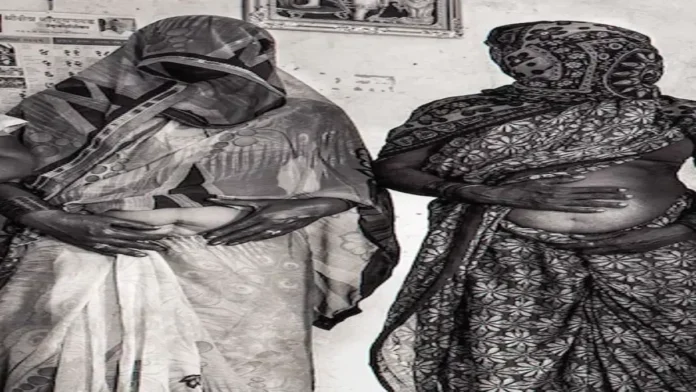
In Maharashtra, India, activists say many women working in sugar cane fields are being pressured to have their wombs removed through surgery. This is so they can work longer hours without dealing with period pain.
These women do tough manual work, harvesting, carrying, and loading heavy sugar cane for long hours. They earn very little, and face fines if they miss work or don’t finish their tasks. Because of this, many feel forced into having hysterectomies. They’ve been told the surgery will “free them from monthly period pain” and let them work more.
Manisha Vaijnath Tokle, a labor rights activist, explained that period pain or pregnancy means missed work and lost wages. While the contractors don’t force the surgeries directly, they create pressures that push women to agree. For women who already have children, it often feels like their only option to keep earning.
A survey by local groups in 2019 showed that in Beed district, a major area for sugar cane workers, 36% of women had undergone hysterectomies, compared to just 3% nationally. After activists raised alarms, authorities investigated and found over 13,000 workers, some younger than 25, had their wombs removed in the past ten years.
Some reforms were promised, including medical check-ups, but activists say not much has changed. Recent news stories have brought the issue back into the spotlight, with campaigners pointing to child marriage, early pregnancies, and the hard work done by girls in their early teens as contributing factors.
Girls as young as 12 are married and sent to work in sugar cane fields alongside their husbands. They must work through everything, periods, pregnancies, even miscarriages, without breaks. They lose pay if they take time off and also have to pay contractors, essentially trapping them in bonded labor, said Seema Kulkarni, who represents a group fighting for female farm workers’ rights.
When the Guardian visited Beed villages last year, about 30 women who had had hysterectomies in the past decade shared that they hoped the surgery would let them work more, since they had previously lost days because of periods or pregnancies.
Most of these women were under 40 and said doctors had recommended the surgery to fix various health problems like uterine cysts, irregular periods, or infections. Vivek Johnson, the Beed district collector, said recent media reports caught the attention of the prime minister’s office. The Indian health department is now closely watching the situation, and new steps to address it will be announced soon.